Specifications
- Common Name: Sneezeweed
- Type: Herbaceous perennial
- Family: Asteraceae
- Native Range: North America
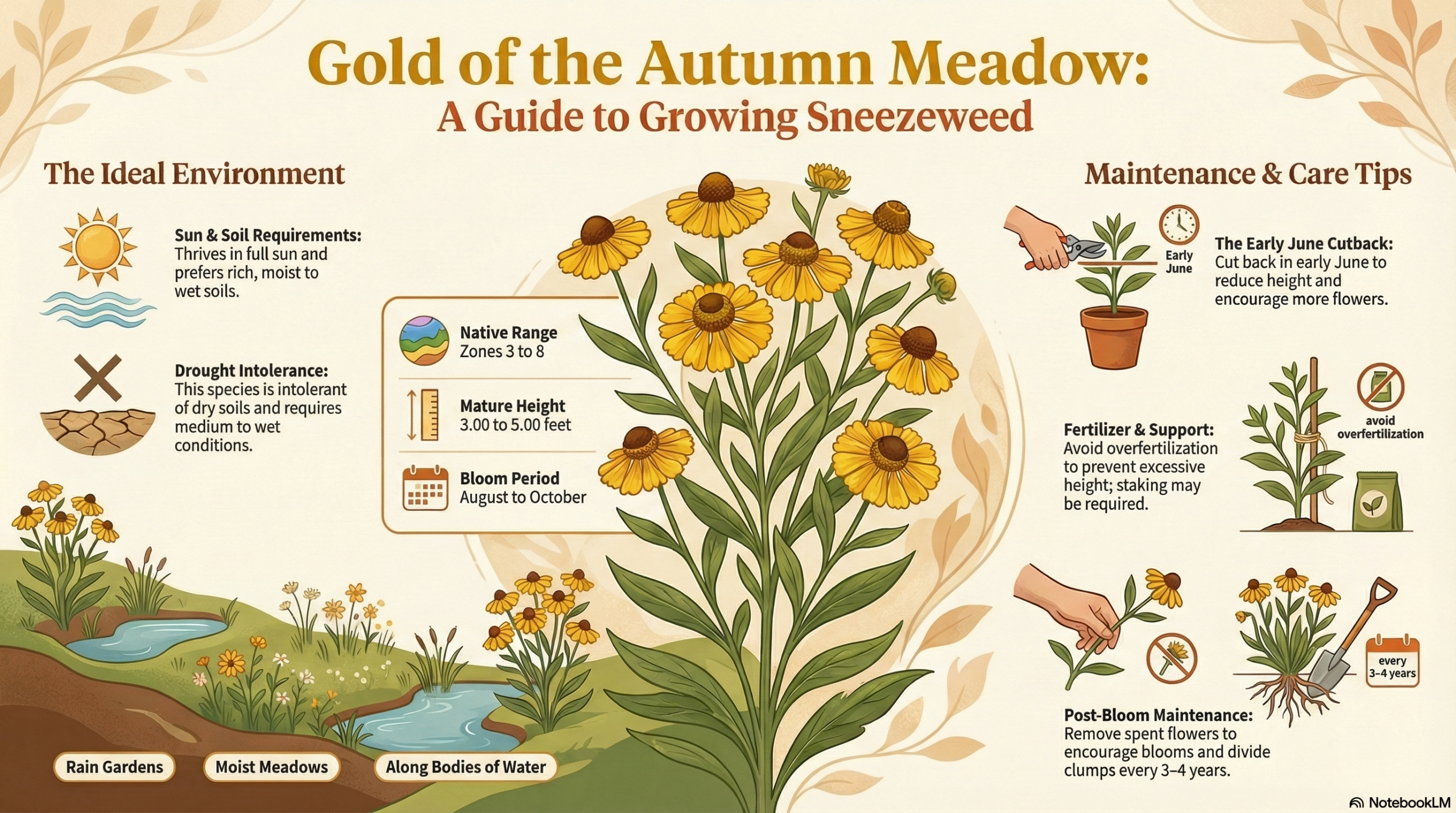
- Zone: 3 to 8
- Height: 3.00 to 5.00 feet
- Spread: 2.00 to 3.00 feet
- Bloom Time: August to October
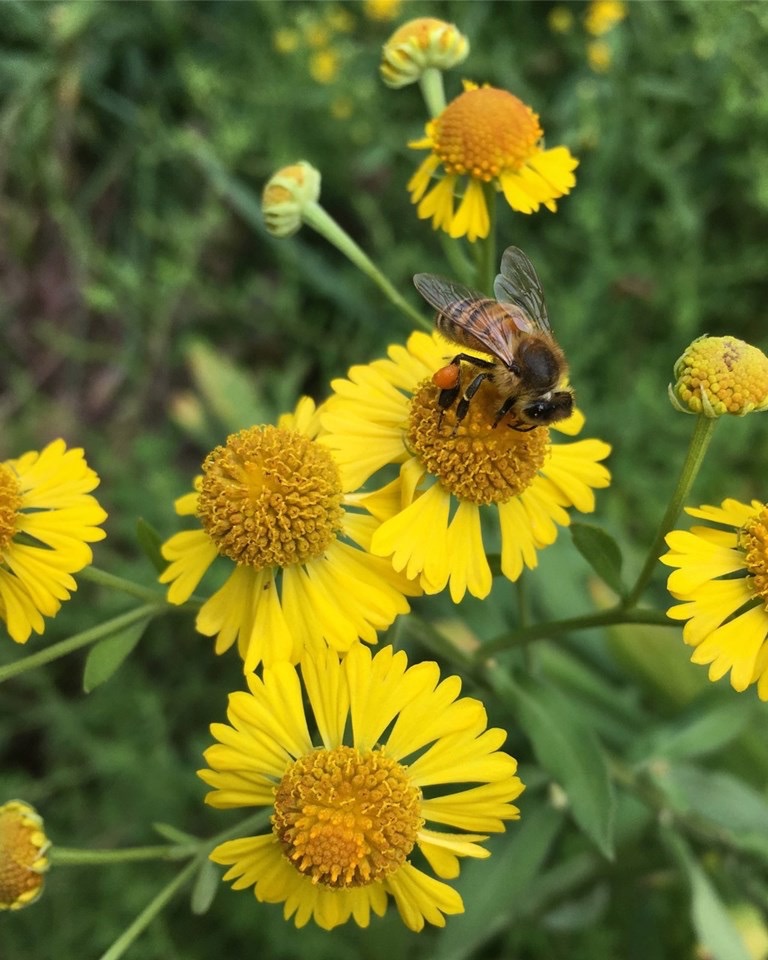
- Bloom Description: Yellow rays and dull yellow center disks
- Sun: Full sun
- Water: Medium to wet
- Maintenance: Medium
- Suggested Use: Rain Garden
- Flower: Showy
- Attracts: Butterflies
- Tolerate: Deer, Clay Soil, Wet Soil
Culture:
Easily grown in average, medium to wet soils in full sun. Prefers rich, moist soils. Intolerant of dry soils. Avoid overfertilization which may cause plants to grow too tall. Although not required, plants may be cut back in early June (at least six weeks before normal flowering) to reduce plant height and to encourage branching, thus leading to a more floriferous bloom, healthier foliage and less need for support. Remove spent flowers to encourage additional bloom. Cut back plants by 1/2 after flowering. Divide clumps as needed (every 3–4 years) to maintain vigor.
Noteworthy Characteristics:
Helenium autumnale, commonly called sneezeweed, is an erect, clump-forming, Missouri native perennial which occurs in moist soils along streams, ponds or ditches and in spring-fed meadows, prairie and wet open ground throughout most of the state (Steyermark). Typically grows 3–5′ tall on rigid, distinctively winged stems which branch near the top. Features clusters of daisy-like flowers (2″ diameter) with distinctive wedge-shaped, bright yellow rays (three-lobed at the tips) and prominent, dome-like, dull yellow center disks. Flowers appear over a lengthy late summer to autumn (sometimes to first frost) bloom as indicated by species name. Alternate, lance-shaped, dark green leaves (to 6″ long).
Genus name comes from the Greek name helenion which is the name of a Greek plant which honors Helen of Troy. It is unclear as to the relevance of Helen of Troy to the within genus of plants which are exclusively native to North and South America.
The specific epithet autumnale refers to the plant’s autumn flowering.
Powdered disk flowers and leaves of this species have in the past been dried and used as snuff, thus giving rise to the common name of sneezeweed.
The large and numerous daisy-like, yellow flowers of Helenium autumnale can provide welcome color in late summer and autumn when many other blossoms have disappeared. Sneezeweed prefers full to partial sun and wet to wet-medium soils. Despite its common name, it presents no problems for most allergy sufferers. Its pollen is distributed by insects, not wind. Sneezeweed is one of the host plants of the Dainty Sulphur.
Problems:
No serious insect or disease problems. Foliage is susceptible to powdery mildew, leaf spot and rust. This species generally requires some staking or other support and will benefit from pinching or July-cutback as detailed above. Deer tend to avoid this plant.
Garden Uses:
Borders. Also effective in prairies, meadows, cottage gardens, wild gardens, naturalized areas or in moist soils along bodies of water.