Specifications
- Common Name: Prairie junegrass
- Type: Ornamental grass
- Family: Poaceae
- Native Range: Europe, Asia, North America
- Zone: 3 to 9
- Height: 1.00 to 2.00 feet
- Spread: 0.75 to 1.50 feet
- Bloom Time: May to June
- Bloom Description: Light green
- Sun: Full sun
- Water: Dry to medium
- Maintenance: Low
- Suggested Use: Naturalize
- Flower: Showy
- Attracts:
- Tolerate: Drought, Dry Soil, Black Walnut, Urban Conditions
Culture: Easily grown in dry to medium, well-drained soils in full sun. Thrives in rocky or gritty soils. Needs superior drainage. Tolerates drought. Avoid wet and/or heavy soils or shade. May be grown from seed which can be scattered on the ground for large plantings in fields. Will self-seed in optimum growing conditions. Junegrass grows to mature height and flowers by June, but thereafter may go dormant in hot and humid summer climates. In cool summer climates, it will usually remain attractive until fall. Plants may be short-lived. Cold hardiness depends upon the area from where the seed was harvested.
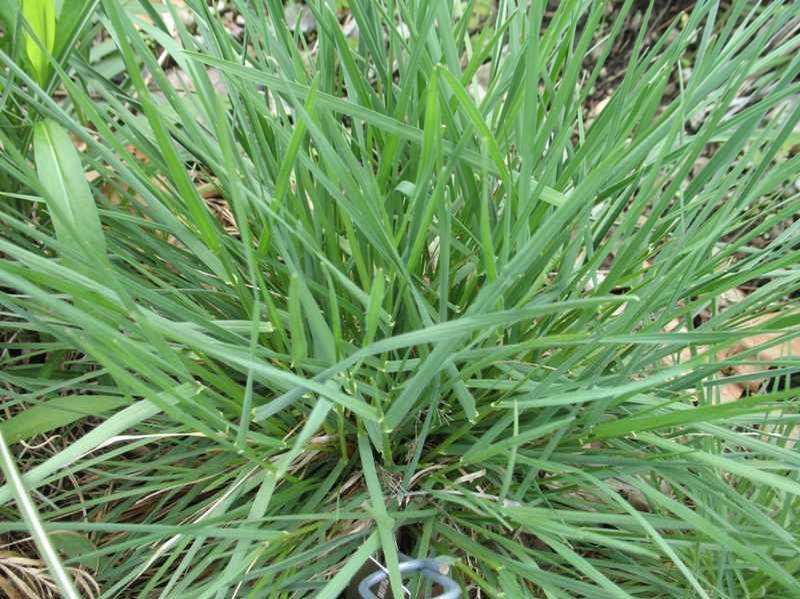
Noteworthy Characteristics: Koeleria macrantha, commonly called prairie junegrass, is a cool season, clump-forming, tufted, perennial bunch grass that is native throughout most of the contiguous U.S. except for the Southeast and parts of the Northeast. It is also found in Europe and Asia. In Missouri, it is typically found in dry prairies and open woods in the southwestern and central parts of the state (Steyermark). It typically grows in a compact, erect clump to 2’ tall. Mostly basal leaves (to 7” long) are medium to bright green, but may be tinged with gray-green. Narrow tapered inflorescences (to 5” long) appear in late spring atop flower spikes rising well above the basal foliage. Inflorescences open light green but change to silver-green as the seed heads mature. Genus name honors German botanist and grass expert Georg Ludwig Koeler (1765-1807). Specific epithet means large-flowered.
Problems: No significant insect or disease problems. Occasional problems include rusts, leaf spots and blights.
Garden Uses: Best for massing and naturalizing in fields or prairies where self-seeding is not a problem. Mix with other ornamental grasses. Potential for summer/fall dormancy makes this questionable for placement in conspicuous parts of borders.